Paul Carroll: Brilliant American Poet of Bold Expression and Literary Rebellion
A Powerful Journey of Creativity, Innovation, and the Struggles of a Writer Who Challenged Traditional Poetry While Facing Artistic Limitations

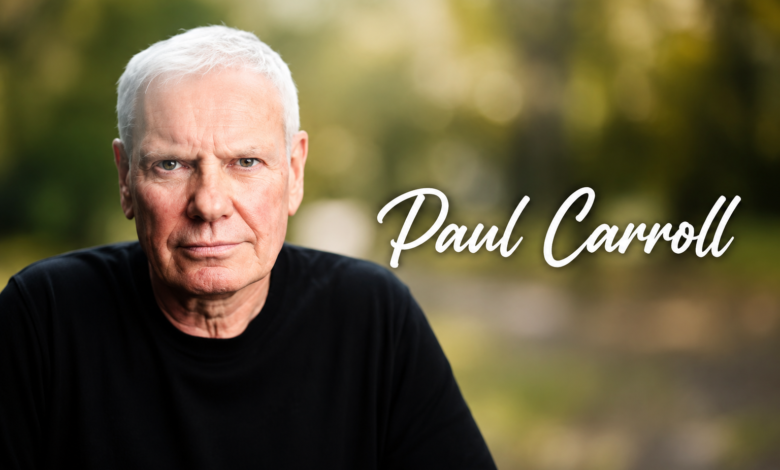
Paul Carroll was an influential American poet, editor, and educator who played a significant role in shaping modern experimental poetry in the United States. Known for his fearless editorial voice and dedication to emerging writers, he became a key figure in mid-20th-century literary movements.
His life reflects both inspiring achievements and difficult challenges. While he contributed greatly to literary innovation, he also faced financial limitations and resistance from traditional literary institutions. Despite these struggles, his impact on American poetry remains strong and respected today.
Quick Bio
| Detail | Information |
| Full Name | Paul Carroll |
| Profession | Poet, Editor, Literary Critic, Educator |
| Date of Birth | July 15, 1927 |
| Date of Death | August 31, 1996 |
| Age | 69 years (at death) |
| Birthplace | Chicago, Illinois, United States |
| Nationality | American |
| Ethnicity | White / Caucasian |
| Accent | American English |
| Education | University of Chicago (BA, MA) |
| Known For | Experimental poetry and literary editing |
| Source of Income | Teaching, writing, editing |
Early Life and Background of Paul Carroll
Paul Carroll was born in Chicago, Illinois, in 1927. He grew up in a culturally rich but economically challenging environment during a time of social change in America. These early experiences shaped his understanding of human struggle and artistic expression.
From a young age, Carroll showed strong interest in writing and literature. He was drawn to poetry that explored emotion, identity, and social reality. His early passion for language became the foundation of his future career as a writer and editor.
Early Influences and Personality Development
Carroll’s childhood environment influenced his creative thinking. He was exposed to both academic literature and real-life social conditions, which gave him a balanced perspective on art and society.
He developed a personality that valued creativity, independence, and intellectual exploration. These traits later defined his editorial style and poetic voice, making him a strong supporter of experimental literature.
Education and Academic Journey
Paul Carroll attended the University of Chicago, where he earned both his bachelor’s and master’s degrees. His academic studies focused on literature, writing, and critical theory.
During his time at university, he became involved in literary groups and student publications. This helped him build early connections with writers and editors who shared similar artistic interests.
Growth as a Literary Thinker
While studying, Carroll began questioning traditional poetry structures. He explored modern and experimental writing styles that broke conventional rules.
This intellectual development shaped his future career, where he became known for supporting innovative poetry and new literary voices.
Start of Career and Entry into Literature
Paul Carroll began his professional journey as a poet and editor in Chicago’s literary community. He quickly became known for his bold approach to publishing and his willingness to support unconventional writers.
He worked with literary magazines and became involved in editorial projects that focused on modern poetry and experimental literature.
Chicago Review and Editorial Work
One of Carroll’s early major roles was working with the Chicago Review. During this time, he helped publish experimental works that challenged traditional literary standards.
His editorial decisions often sparked debate, but they also helped introduce new voices into American poetry.
Major Literary Contributions
Paul Carroll made important contributions to poetry and literary criticism through both his writing and editorial work.
Important Works
Some of his notable works include:
- The Young American Poets
- The Poem in Its Skin
- Odes
- New and Selected Poems
- Chicago Literary Essays
These works helped define experimental poetry in America and encouraged creative freedom among writers.
Impact on Modern Poetry
Carroll played a key role in promoting Beat Generation writers and experimental poets. His editorial work gave a platform to writers who were often ignored by mainstream publishers.
His influence helped expand the boundaries of American poetry during a period of cultural transformation.
Career Overview and Professional Development
Paul Carroll built a career that combined writing, editing, and teaching. He worked at academic institutions and contributed to the development of creative writing programs.
He also founded literary initiatives that supported poetry readings and writer development.
Academic and Teaching Roles
Carroll taught literature and writing at the University of Illinois Chicago. He encouraged students to explore creative expression and experiment with new forms of writing.
His teaching style focused on creativity, originality, and intellectual freedom.
Business Ventures and Companies
Paul Carroll did not participate in commercial business ventures or corporate companies. His work was entirely focused on literature, education, and publishing.
Instead of business, his “ventures” were literary projects such as magazines, anthologies, and poetry centers that promoted creative writing.
Source of Income and Salary
Paul Carroll earned income from several literary and academic activities, including:
- University teaching positions
- Editorial work in literary magazines
- Book publishing
- Poetry anthologies
- Lectures and literary events
His income was modest, as poetry and literary writing are not highly commercial fields.
Net Worth
Paul Carroll’s exact net worth is not publicly recorded. However, based on his academic and literary career, it is understood that his financial status was modest.
His value lies more in cultural and intellectual influence than financial success.
Personal Life
Paul Carroll maintained a private personal life. He was married and later lived in North Carolina, where he continued writing and literary work.
Family Background
He was born into a Chicago family, but detailed public information about his parents is limited. His upbringing influenced his intellectual curiosity and artistic development.
Latest Recognition and Influence
Although Paul Carroll passed away in 1996, his work continues to be studied in universities and literary institutions.
His contributions to experimental poetry and editorial innovation remain relevant in discussions of modern American literature.
Legacy of Paul Carroll
Paul Carroll’s legacy is built on creativity, innovation, and support for literary freedom. He helped shape modern American poetry by encouraging experimental writing and promoting emerging voices.
He is remembered as:
- A pioneer of experimental poetry
- A supporter of Beat Generation writers
- A literary editor who challenged norms
- An educator who inspired future writers
His influence continues to impact poets, students, and literary scholars today.
Conclusion
Paul Carroll’s life represents a powerful combination of creativity, intellectual courage, and dedication to literature. As an American poet and editor, he helped transform modern poetry by supporting new ideas and challenging traditional literary systems.
Although he did not achieve major financial success, his cultural and literary contributions remain highly significant. His legacy continues to inspire writers who value originality and creative freedom.
FAQ
Who was Paul Carroll?
Paul Carroll was an American poet, editor, and educator known for his role in modern experimental poetry.
What is Paul Carroll famous for?
He is famous for editing The Young American Poets and promoting experimental literary movements.
When was Paul Carroll born?
He was born on July 15, 1927.
When did Paul Carroll die?
He died on August 31, 1996.
What was his profession?
He was a poet, editor, and university professor.
Did Paul Carroll have business ventures?
No, he focused on literature and education rather than business.
What is his legacy?
His legacy is promoting literary innovation and supporting new generations of poets.