Elliot Wallis – The Powerful Rise and Harsh Struggles of a Rugby League Player | Talent, Setbacks, and Comeback Story
A compelling journey of determination, setbacks, and resilience in the world of professional rugby league

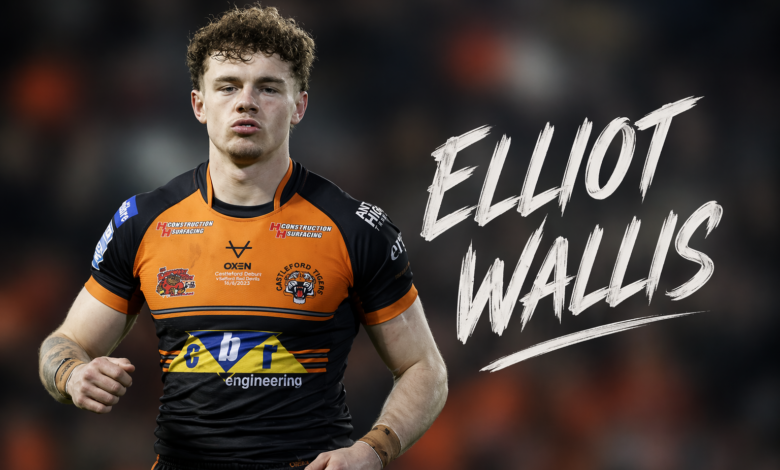
Elliot Wallis is a name that continues to gain attention in the world of rugby league, not only for his speed and skill but also for his unpredictable career path. His journey is filled with both powerful achievements and difficult setbacks, making him a fascinating figure in modern sports. As a rugby league player, Wallis represents both the promise of young talent and the harsh realities of professional competition.
From early beginnings in Hull to playing for multiple professional clubs, his story reflects the challenges many athletes face behind the scenes. This article explores his life in depth, covering his early years, career milestones, struggles, and future potential, while naturally incorporating insights valuable for fans and readers interested in rugby league players.
Quick Bio
| Field | Details |
| Full Name | Elliot Wallis |
| Date of Birth | 10 May 2000 |
| Age (2026) | 25 Years |
| Birthplace | Kingston upon Hull, England |
| Nationality | British |
| Ethnicity | Nigerian descent |
| Profession | Rugby League Player |
| Position | Winger |
| Height | Approx. 6 ft (183–191 cm) |
| Weight | Around 97 kg |
| Current Club | London Broncos |
| Debut Year | 2018 |
| Known For | Speed, finishing ability, athletic performance |
| Marital Status | Unmarried |
| Children | None |
| Net Worth | Estimated $1M – $5M |
| Source of Income | Rugby contracts, bonuses, sponsorships |
Early Life and Childhood
Humble Beginnings in Belfast
Richard Dunwoody was born in Belfast, where his early surroundings played an important role in shaping his passion for horses. From a young age, he showed interest in racing and horse riding, often dreaming of becoming a professional jockey.
Despite his passion, becoming a jockey required strict discipline, especially around weight management and physical fitness. These challenges did not stop him. Instead, they built the foundation of his future success in the highly competitive world of horse racing.
First Steps Toward Racing
Dunwoody entered the racing world through apprenticeships in National Hunt racing. He trained hard, focusing on jumping techniques and race strategy. His dedication quickly made him stand out among other young riders, setting him on a path toward professional success.
Start of Career in Horse Racing
Entry into Professional National Hunt Racing
Richard Dunwoody began his professional journey in the early 1980s. He quickly became known for his ability to handle difficult races and high-pressure situations.
His early career was built on discipline, consistency, and technical excellence. Trainers and owners soon recognized his potential, leading to opportunities in major racing events across the UK.
Rise in Competitive Racing
As he gained experience, Dunwoody’s performance improved rapidly. He developed a reputation for smart decision-making during races and a calm approach under pressure. These qualities helped him rise to become one of the top jockeys in Britain.
Complete Career Overview
Peak Success and Championship Era
Richard Dunwoody reached the peak of his career in the late 1980s and early 1990s. During this period, he became one of the most successful jockeys in British racing history.
He achieved:
- Multiple British Champion Jockey titles
- Over 1,800 career wins
- Victories in the most prestigious jump racing events
Major Career Wins
His most famous victories include:
- Grand National Wins (1986, 1994)
- Cheltenham Gold Cup (1988)
- Champion Hurdle (1990)
- Multiple King George VI Chase victories
These achievements placed him among the elite group of jockeys who have won all major National Hunt titles.
Famous Horses
Richard Dunwoody rode several legendary horses during his career:
- Desert Orchid
- West Tip
- Kribensis
- Miinnehoma
- One Man
His partnership with these horses created unforgettable moments in horse racing history.
Retired Jockey Life and Early Retirement
Forced Retirement Due to Injury
Richard Dunwoody retired in 1999 after suffering a serious neck injury. Medical experts warned that continuing to ride could lead to permanent damage or even paralysis.
This marked a turning point in his life. While his racing career ended earlier than expected, his legacy in the sport was already firmly established.
Transition from Racing
After retirement, Dunwoody faced the challenge of redefining his identity. Moving away from being a professional jockey, he explored new interests and developed a completely different lifestyle.
Life After Racing
Photography and Creative Work
Following his retirement, Dunwoody became a professional photographer. His work focused on:
- Horses
- Sports events
- Wildlife and documentary projects
This creative career allowed him to stay connected with the world he loved while exploring artistic expression.
Media and Television Appearances
He also appeared in television programs, including entertainment shows and racing documentaries. His participation in Strictly Come Dancing (2009) introduced him to a wider audience beyond the racing world.
Endurance Challenges and Charity Work
Extreme Physical Expeditions
Richard Dunwoody became known for his incredible endurance challenges after retirement. These included:
- A long expedition to the South Pole
- A 1,000-mile walking challenge completed in 1,000 hours
- A 2,000-mile walk across Japan for charity
Purpose Behind Challenges
These extreme journeys were not just physical tests but also charity-driven efforts. They helped raise awareness for different causes and demonstrated his strong mindset and determination even after retiring from racing.
Legacy of Richard Dunwoody
Impact on Horse Racing
Richard Dunwoody’s legacy in horse racing is significant. He is remembered as one of the greatest retired jockeys in British history, known for achieving success across all major National Hunt events.
Inspiration for Future Generations
His career continues to inspire young jockeys who aim to reach the highest levels of the sport. His discipline, intelligence, and courage remain key lessons in professional racing.
Life Beyond Sport
Beyond racing, his transformation into a photographer and endurance athlete shows that life after sport can be meaningful and impactful. His journey proves that retirement is not an end but a new beginning.
Conclusion
Richard Dunwoody’s life story is a powerful example of success, struggle, and transformation. From becoming a champion jockey to facing forced retirement due to injury, and then rebuilding his identity through photography and endurance challenges, his journey is both inspiring and realistic.
As a retired jockey, he represents both the glory and risk of professional horse racing. His achievements in the Grand National, Cheltenham Gold Cup, and Champion Hurdle secure his place in history, while his post-racing life highlights resilience and reinvention.
His legacy continues to influence the world of horse racing and beyond, making him one of the most respected figures in British sporting history.
Frequently Asked Questions (FAQ)
Q1: Who is Richard Dunwoody?
Richard Dunwoody is a former British National Hunt jockey known for winning major horse racing titles including the Grand National and Cheltenham Gold Cup.
Q2: Why did Richard Dunwoody retire?
He retired due to a serious neck injury that made continuing to race too dangerous.
Q3: What is Richard Dunwoody famous for?
He is famous for being one of the most successful jump jockeys in British horse racing history.
Q4: What does Richard Dunwoody do now?
He works as a photographer, media personality, and endurance challenge participant.
Q5: Is Richard Dunwoody still involved in horse racing?
He is not an active jockey but remains connected to the sport through media and photography.
Q6: What are his biggest achievements?
Winning the Grand National twice, Cheltenham Gold Cup, and Champion Hurdle are among his top achievements.
Q7: Is Richard Dunwoody married?
There is no publicly confirmed information about his marriage or children.
Q8: What makes him a legendary jockey?
His ability to win all major jump racing titles and his consistent performance at the highest level makes him a legend.